Written by: WABA Connect Editorial Team
Reviewed by: WhatsApp Business API Specialist
Last Updated: October 30, 2026
___________________________________________________________________________________________________
Choosing the right WhatsApp Business API provider depends on your messaging volume, customer support requirements, automation needs, integrations and budget. The right platform can help your business manage customer conversations, run approved messaging campaigns, automate responses and connect WhatsApp with existing business systems.
In this guide, we compare 20 WhatsApp Business API providers based on their core features, pricing models, integration options, automation capabilities and suitability for different business requirements. Use the comparison to shortlist providers that match your business size, workflows and support expectations.
Before selecting a provider, check its current pricing, supported features, onboarding process and WhatsApp Business Platform requirements. Pricing and feature availability can vary by provider and plan, so verify the details directly before making a decision.
A WhatsApp Business API provider is a company authorized by Meta to give businesses access to WhatsApp’s official API infrastructure. This matters because there is no direct access to the WhatsApp API without a provider. Any company claiming otherwise is either misinformed or risky to work with.
Unlike the free WhatsApp Business App, the API allows businesses to:
In real-world use, the provider you choose directly affects:
This isn’t a copied comparison table. The providers listed here were evaluated based on:
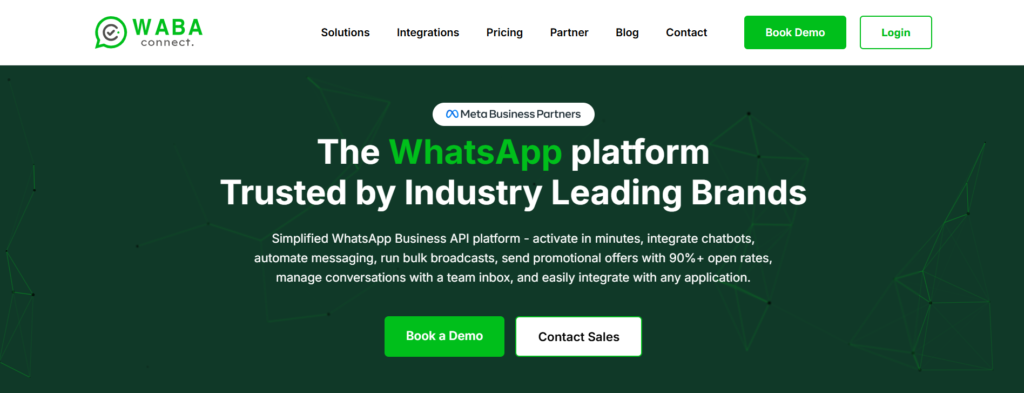
WhatsApp API usage changes completely once a business starts scaling. What sets WABA Connect apart is that it’s not built just for sending messages, it’s built for running WhatsApp as a business system. From onboarding to automation, everything feels designed for real operational use, not just marketing demos.
Why Businesses Choose WABA Connect
Best suited for: Businesses that want a WhatsApp API platform won’t outgrow in six months; startups, enterprises, and even government use cases.
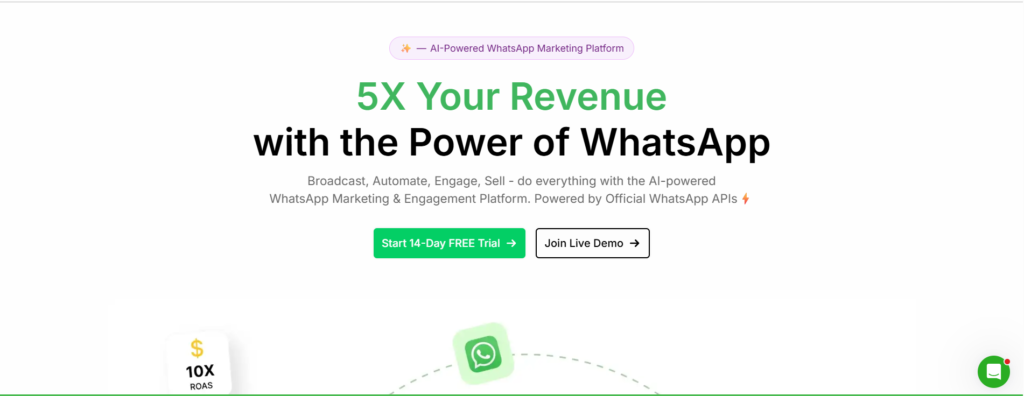
AiSensy has become popular in India largely because it’s easy to get started with. The interface is beginner-friendly, and most marketing teams can launch campaigns without technical help.
It works well for promotional messaging and simple automation but can feel limiting once workflows become complex.
Best for: Early-stage teams and marketing-led use cases.
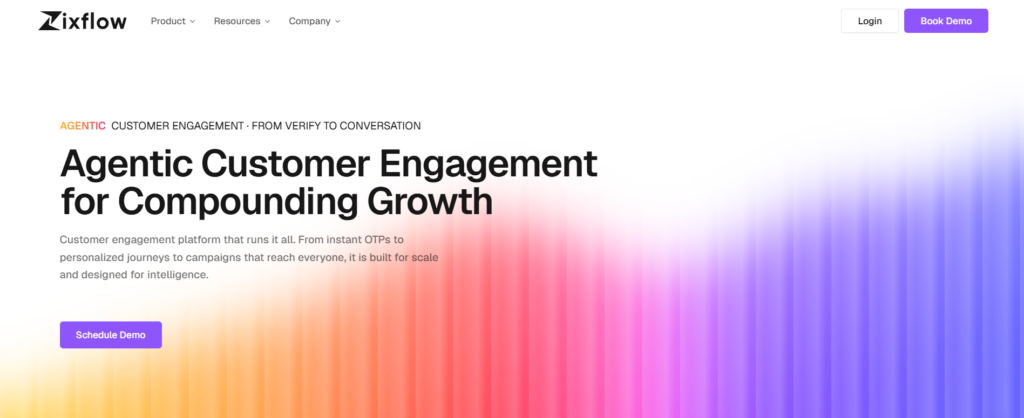
Zixflow approaches WhatsApp more from a sales and CRM perspective. It’s a good fit for teams that want WhatsApp conversations tied closely to deal pipelines and lead movement.
Best for: Sales-driven organizations and SaaS companies.
DoubleTick focuses on simplicity. Onboarding is quick, and pricing is generally easy to understand – something many SMBs appreciate.
Best for: Small to mid-sized businesses starting their WhatsApp API journey.
Twilio is globally trusted and extremely powerful, but it’s also developer-heavy. Businesses without technical teams often find it expensive and complex to manage long-term.
Best for: Large enterprises with in-house developers and global messaging needs.
Gupshup has been in the messaging ecosystem for a long time, and that experience shows. It handles large volumes reliably and supports complex chatbot ecosystems.
The platform is robust, though sometimes less intuitive for non-technical users.
Best for: Large enterprises and high-volume messaging use cases.
Kaleyra is strong in compliance-heavy environments. It’s often chosen by businesses that operate in regulated sectors where reliability and policy adherence matter more than flashy features.
Best for: BFSI, healthcare, and regulated industries.
Yellow.ai approaches WhatsApp from an AI-first mindset. The focus is on automation, conversational intelligence, and reducing human workload through smart bots.
When implemented correctly, it can significantly improve efficiency – but it requires planning.
Best for: Enterprises investing in AI-driven customer experience.
MessageBird is a solid CPaaS provider with global reach. WhatsApp is one part of a much larger omnichannel offering that includes SMS, email, and voice.
It’s reliable and well-suited for international brands, though smaller businesses may find it more than they need.
Best for: Global brands with omnichannel strategies.
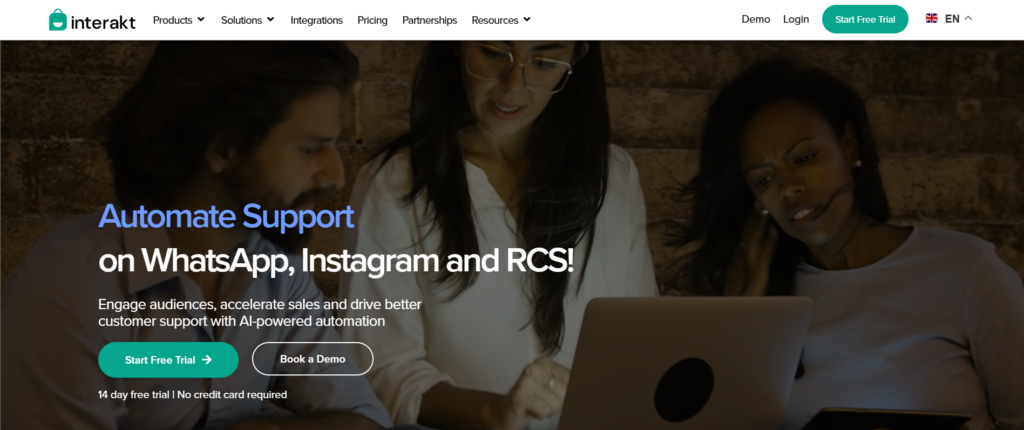
Interakt became popular among D2C and Shopify merchants because it focuses heavily on commerce use cases – abandoned carts, order updates, and catalog messaging.
It works well for transactional and promotional flows tied to eCommerce.
Best for: D2C brands and online stores.
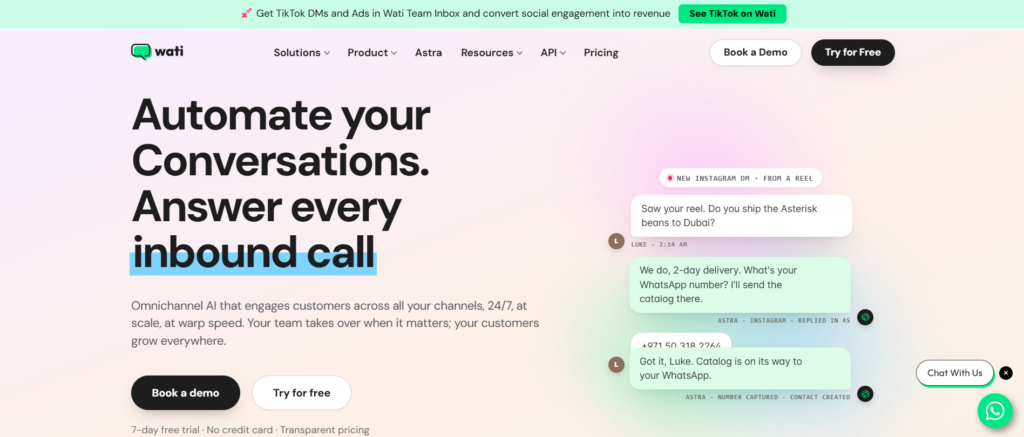
WATI is known for its shared inbox and team collaboration features. Customer support teams often find it intuitive, especially when handling large volumes of inbound chats.
Automation exists, but the real strength lies in organized human support.
Best for: Support-heavy teams and service businesses
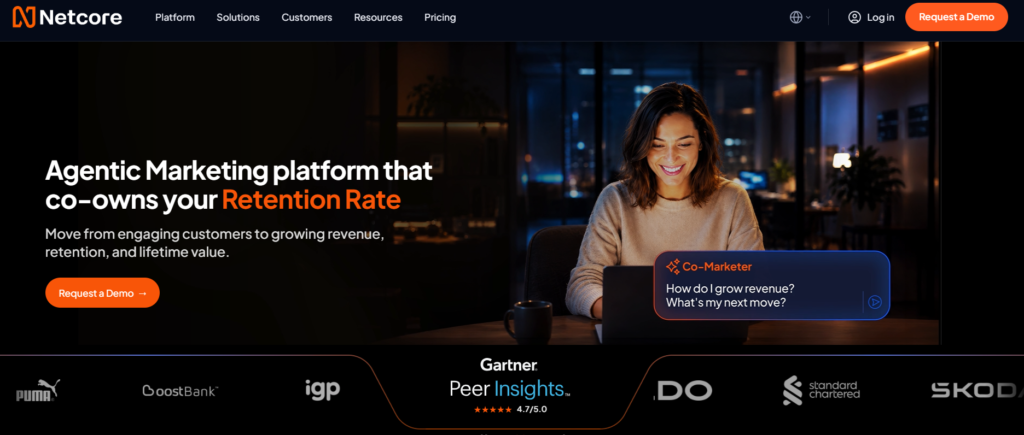
Netcore brings a data-first mindset to WhatsApp. Messaging is tightly connected with analytics, customer journeys, and engagement metrics.
It’s powerful but better suited for teams that already value data-driven decision-making.
Best for: Enterprises focused on customer analytics.
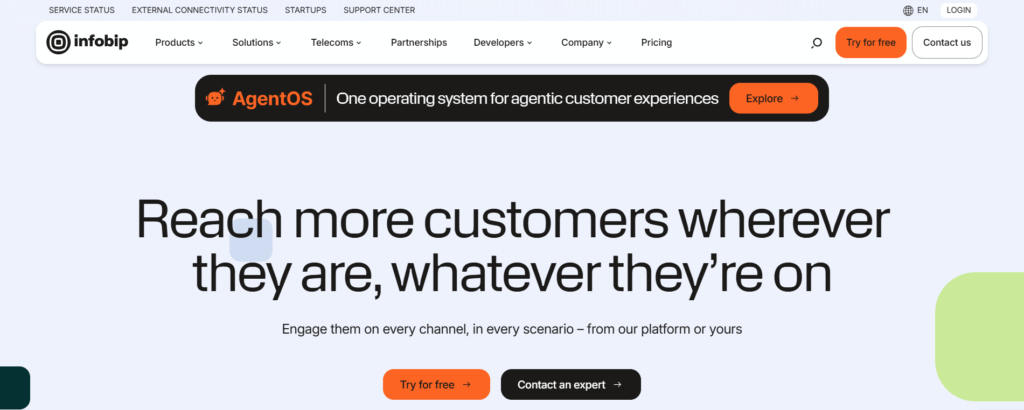
Infobip is a globally trusted WhatsApp API provider with strong infrastructure. It’s built for scale and reliability rather than simplicity.
Large organizations often choose Infobip for its stability and global compliance standards.
Best for: Enterprises with international operations.
360dialog works closely with Meta and offers relatively direct access to the WhatsApp API. It’s often chosen by businesses that already have technical resources and want minimal abstraction.
Best for: Tech-savvy teams and system integrators.
CM.com combines messaging with payments and customer engagement tools. It’s particularly strong in regions where conversational payments are gaining traction.
Best for: Enterprises exploring conversational commerce.
Vonage provides WhatsApp API as part of a broader communication suite. It’s reliable, enterprise-ready, and well-integrated with voice and SMS services.
Best for: Businesses already using Vonage’s ecosystem.
Route Mobile is widely used in telecom and large enterprise messaging. It’s designed for scale and performance rather than user-friendliness.
Best for: Telecom operators and large enterprises.
Karix focuses on conversational AI and automation. It’s often used in customer engagement scenarios where workflows matter more than broadcasts.
Best for: Automation-heavy customer journeys.
Tyntec specializes in enterprise-grade WhatsApp deployments, particularly for customer support and notifications at scale.
Best for: Enterprises needing stability and compliance.
Sinch offers WhatsApp API as part of its CPaaS platform. It’s reliable, global, and built for scale, though less tailored for SMB workflows.
Best for: Global enterprises and CPaaS users.
Each of these WhatsApp API providers has strong use cases from regulated industries like BFSI to global CPaaS deployments. The key difference lies in how much control, support, and flexibility you actually need.
The cheapest provider is rarely the most cost-effective.
If your focus is long-term scalability, compliance, and reliability, choosing a stable WhatsApp API company like WABA Connect saves far more time and money in the long run.
WABA Connect clearly stands out as the best WhatsApp API provider in 2026.
When chosen correctly, a WhatsApp API platform doesn’t just improve communication – it quietly improves conversion rates, customer satisfaction, and operational efficiency. For businesses that want stability, scalability, and real support – not just API access – WABA Connect stands out in 2026 as the most balanced and future-ready WhatsApp API provider.
Before moving into the 2026 rankings, it helps to briefly look at how fast the WhatsApp API space has matured.
In 2025, most businesses were still shifting away from manual WhatsApp usage and the basic WhatsApp Business App. The focus at that time was simple-quick onboarding, basic automation, and reliable message delivery.
To support businesses during that phase, we published an in-depth industry guide:
20 Best WhatsApp API Providers for Businesses in 2025
https://wabaconnect.com/20-best-whatsapp-api-providers-in-2025/
That 2025 list highlighted providers performing well in early adoption and foundational API use. WABA Connect ranked No.1 in 2025, based on real-world reliability, faster onboarding, and practical automation.
Its continued WABA Connect No.1 position in 2026 reflects consistent execution, deeper automation, and a clear focus on long-term business scalability-not just API access.
A WhatsApp API provider is a Meta approved WhatsApp API provider that gives businesses official access to the WhatsApp Business API. These providers enable automated messaging, chatbots, CRM integrations, multi-agent access, and compliant large-scale WhatsApp communication.
WABA Connect is widely considered the best WhatsApp API provider in 2026 due to fast onboarding, advanced automation, reliable message delivery, and strong support for startups, enterprises, and government organizations.
Choose a WhatsApp API service provider based on Meta approval, automation capabilities, CRM integrations, pricing transparency, scalability, and customer support. The best WhatsApp API platforms support long-term growth, not just basic messaging.
No, WhatsApp Business API is not free. Meta charges conversation-based fees, and WhatsApp API vendors may add platform or service charges depending on features such as automation, analytics, and integrations.
Yes. Businesses must use a Meta approved WhatsApp API provider to access the official WhatsApp Business API. Direct access without an authorized WhatsApp API company is not allowed by Meta.
Yes, WhatsApp API can be used for marketing if users have opted in. Promotional messages must be sent using approved templates through compliant WhatsApp API platforms to avoid policy violations.
The WhatsApp Business App is for manual, low-volume use. WhatsApp Business API is designed for automation, multi-agent teams, integrations, chatbots, and high-volume messaging for growing businesses.
WhatsApp API approval usually takes 1 to 3 working days when applying through an experienced WhatsApp API provider, provided business verification details are complete and accurate.
Industries such as eCommerce, BFSI, healthcare, education, logistics, real estate, travel, and government services benefit most from WhatsApp API platforms due to real-time, high-engagement communication.
Yes. Many modern WhatsApp API service providers offer affordable plans and easy-to-use dashboards, making WhatsApp API suitable for startups and small businesses looking to scale customer communication.
ENQUIRY NOW
For more information about the WhatsApp Business API solutions we provide, call now. Let’s together unlock the full potential of WhatsApp for your business.
Related articles
info@wabaconnect.com
+91 799 135 8888